Frontier Hearts Trilogy
The Story Behind the Stories
Part One - The Birth of Silver Creek
Whenever I discuss the Frontier Hearts Trilogy, I always feel compelled to begin with one very honest admission: I never imagined myself writing a historical fiction novel, let alone one with an LGBTQ+ theme.
So, how did it happen? Well, that's a story in itself.
I'd just published my debut novel, Unbound, and fully intended to take a break from writing. As I've mentioned before, writing that novel had been an emotionally draining experience, but one that served a deeply personal and long-overdue purpose in my life. I felt I'd accomplished what I'd originally set out to do, and I was ready to put the keyboard aside for a while. Or so I thought.
Instead of feeling creatively exhausted, something quite unexpected happened. I was energized. The experience of writing Unbound had awakened a passion for storytelling that I hadn't anticipated, and suddenly, I found myself wanting to begin something new.
The inspiration came one weekend while my husband, John, and I were lounging around our apartment, enjoying a lazy afternoon watching old episodes of Little House on the Prairie. We'd always loved the series. There was something peaceful, comforting, and heartwarming about its stories and the simplicity of life they portrayed. Then, seemingly out of nowhere, John turned to me and said, "You should write a gay romance novel set in the late nineteenth century. Something with the feel of Little House on the Prairie.” My immediate reaction? Absolutely not! I had no desire to write historical fiction, and frankly, I couldn't quite imagine how an LGBTQ+ romance would fit into that particular time and setting. It simply wasn't something I'd ever considered.
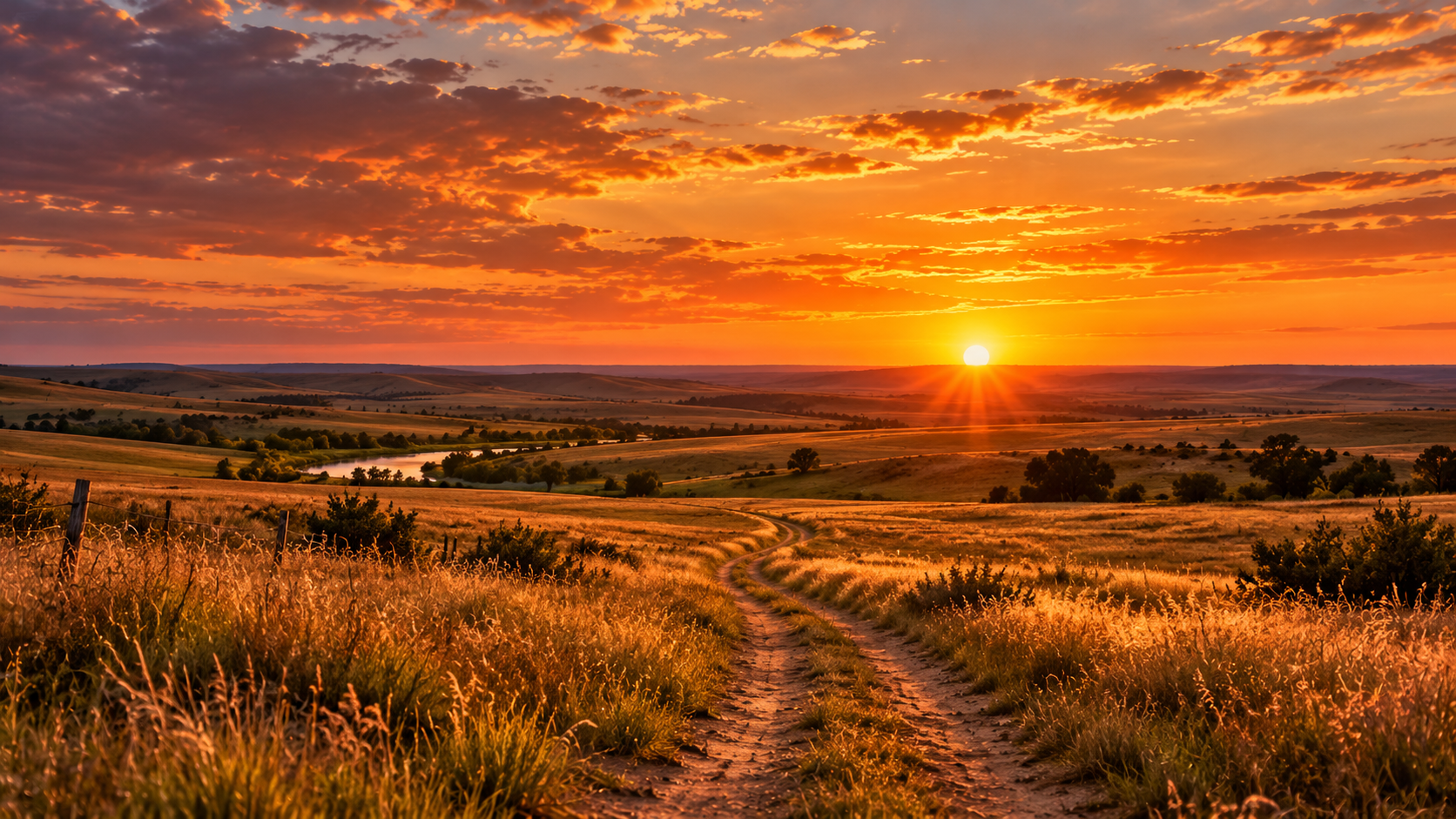
But apparently, John had planted a seed. Within twenty-four hours, that seemingly impossible idea had taken up residence in my imagination. The following morning, over a couple of cups of coffee, I began wondering what such a story might look like. And before I knew it, I was creating an entire frontier town in my mind. I knew almost immediately that I wanted the story set in America's heartland, somewhere that captured the character and spirit of the nineteenth-century frontier. Kansas seemed like the perfect choice. Of course, every town needs a name.
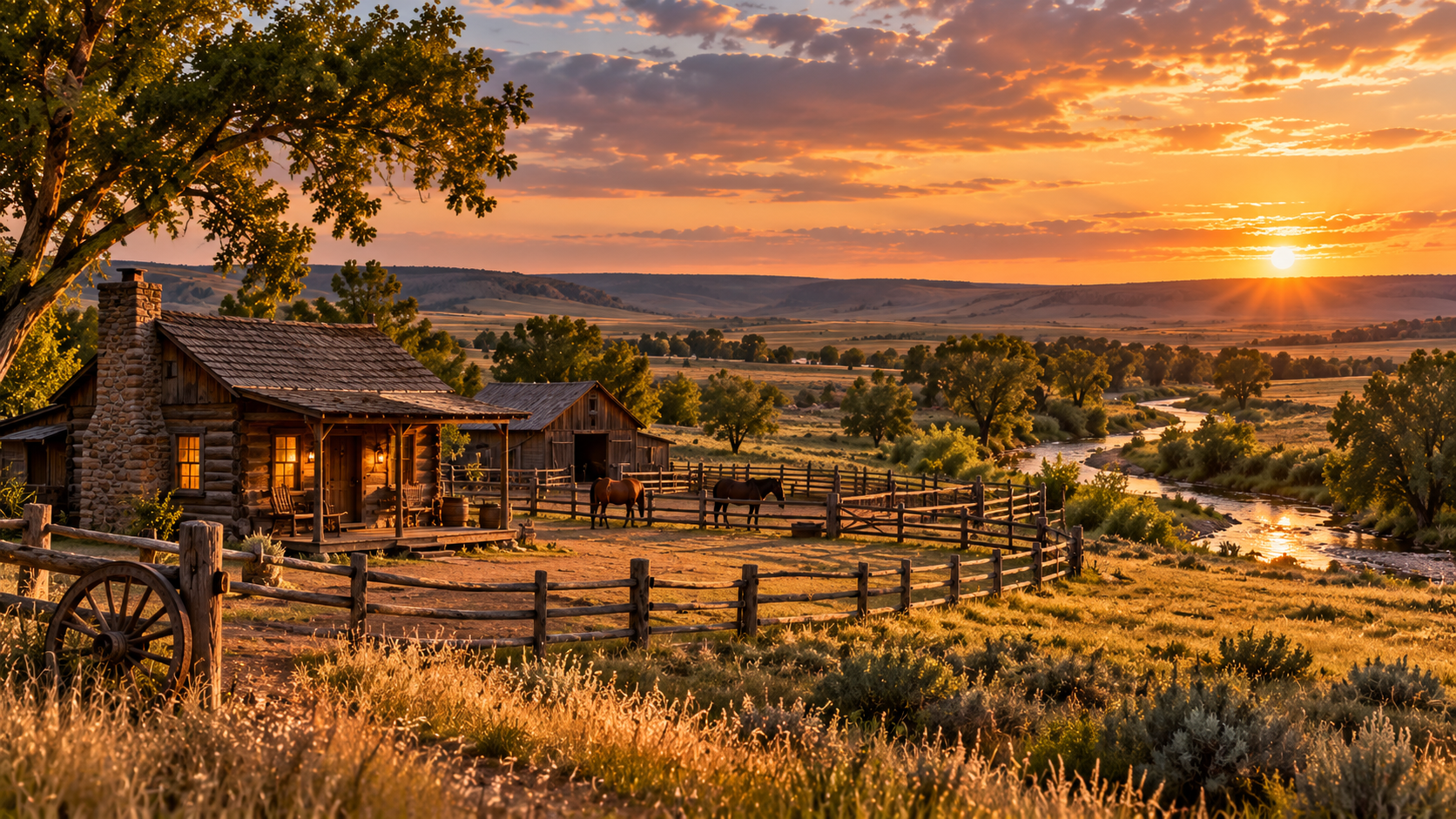
I tossed around possibilities such as Sleepy Grove and Silver Grove, but neither felt quite right. Besides, they sounded a little too much like Walnut Grove, the fictional hometown of Little House on the Prairie. While that beloved series had sparked the original idea, I had no intention of recreating it. I wanted my story, its characters, and the community they inhabited to have an identity entirely their own. As I began imagining the ranch where my protagonist would live, I pictured a beautiful creek winding through the property, continuing along the edge of town and eventually making its way into the community itself. That little detail would turn out to be surprisingly important. I started experimenting with town names that incorporated the word creek, searching for something that sounded natural, inviting, and believable for a Kansas frontier settlement. It didn't take long.
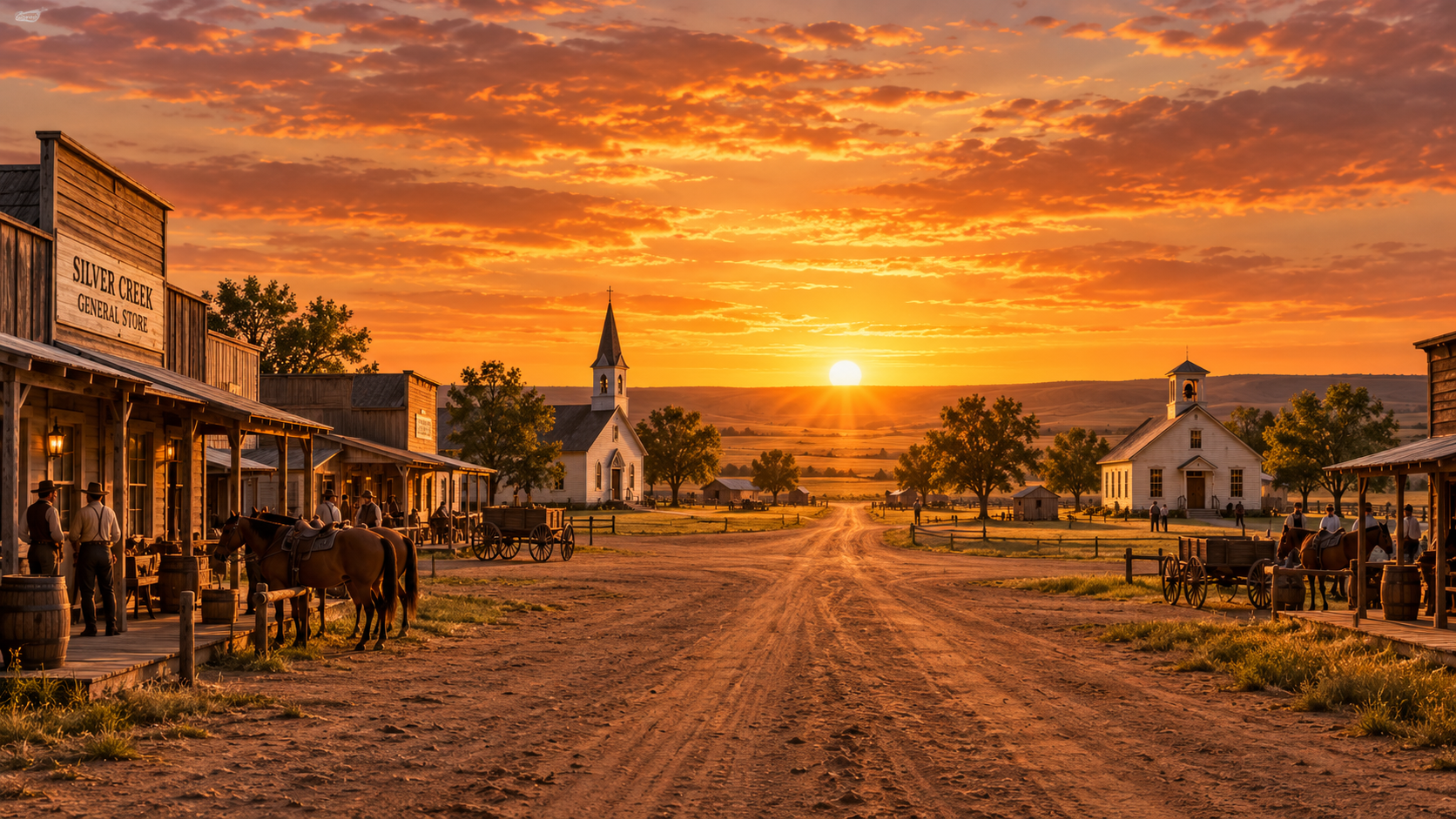
Silver Creek. The moment I thought of it, I knew I'd found the perfect name. And just like that, a town that hadn't existed twenty-four hours earlier was beginning to come alive.
Part Two - Beyond the First Book
Once I'd imagined Silver Creek, something wonderful happened. The town and its people began coming alive in my mind. Developing Nate Cooper and Jack Calloway, along with their relationship, came surprisingly naturally to me. I knew instinctively that their story would revolve around finding love and belonging during a time when society offered little understanding or acceptance of a relationship like theirs. That had been the heart of John's original suggestion: a gay romance set in the late nineteenth century, complete with the trials and tribulations of the era, but with one extraordinary challenge at its center.
I also knew that Nate and Jack couldn't face those challenges alone. I wanted them surrounded by a loyal circle of friends who would become more than just a support system. These characters would eventually form the backbone of Silver Creek itself, helping shape the community and giving the town its own personality. As I approached the conclusion of Frontier Kindred, however, something unexpected happened. I realized that the story I'd created had grown far beyond what I'd originally envisioned for a single novel.
Now, plenty of authors are comfortable writing long, sweeping novels, but that wasn't what I wanted for this particular story. I began considering the possibility of continuing Nate and Jack's journey through a series. For a while, I entertained the idea of an open-ended series, but the more I thought about it, the more certain I became that I wanted the story to have a definitive conclusion. I've always felt strongly about bringing a series to a proper ending, rather than leaving readers wondering whether the story will ever be completed. And so, I settled on a trilogy.
As it turned out, that decision fit beautifully with the ideas I already had for the story's future. Each book would have its own identity while contributing to a larger narrative.
Frontier Kindred would center on Nate and Jack's relationship, their struggles, and their search for love and belonging.
Frontier Legacy would shift more attention toward the town itself, the community taking shape, and the legacy its people were building together.
And Frontier Horizon would look toward the future, exploring what lay ahead for Silver Creek and the people who had worked so hard to make it their home.
What made the writing process particularly exciting was that I already had many of the conflicts, challenges, and dramatic developments in mind long before I reached them in the manuscripts. By the time I began each new book, I had a strong sense of where the story needed to go. I wanted to capture those ideas while they were still fresh, without losing the creative momentum I'd developed. So I kept writing.
That approach worked remarkably well for me. I moved through the trilogy in a nearly uninterrupted creative flow, watching the characters and their community evolve from one novel to the next. Looking back, I couldn't have been happier with how naturally the entire series came together.
There was, however, one thing I hadn't anticipated. How I would feel when I finally reached the end of Book Three.
Part Three - Saying Goodbye to Silver Creek
As I began drafting Frontier Horizon, the third and final book of the trilogy, something unexpected happened. I quickly realized that the manuscript probably wouldn't take me very long to complete, and suddenly, a strange emotion came over me. It was a bittersweet mixture of accomplishment and sadness.
After two books and everything my characters had experienced together, I was approaching the moment when I'd have to say goodbye to people who, in so many ways, had come to feel real to me. When I write, I approach character development with a strong sense of realism. I want my characters to have personalities, emotions, strengths, and imperfections that make them believable. As I spend time developing their stories, I often begin to feel as though I know them personally.
Nate and Jack were especially difficult to leave behind. I'd grown so attached to them as individuals and as a couple, and I'd spent so much time imagining the life they were building together. Their friends and the community of Silver Creek had become just as meaningful to the world I'd created.
In many ways, Frontier Horizon was the perfect conclusion to the trilogy because it focused on the future of the town and its people. Throughout the series, I'd always wanted each book to end on an uplifting, heartwarming note, but that was especially important to me with the finale. That didn't mean avoiding hardship or sadness. There were difficult moments, painful losses, and challenges that tested the characters along the way. Those experiences were part of their lives and necessary to the stories I wanted to tell. But I never wanted despair to define Silver Creek. Above all, I wanted the trilogy to reflect my belief that people can overcome extraordinary challenges, that kindness and loyalty matter, and that even during the most difficult times, there is still goodness to be found in others. And perhaps most importantly, I wanted readers to leave Silver Creek with a sense of hope.
When I finally wrote the last lines of the epilogue, I knew I'd brought the story to the ending I'd always envisioned. Nate and Jack had a future together, and the town and its people would continue moving forward, even if I would no longer be the one telling their stories.
So, in that quiet moment, I privately said my goodbyes and thanked the people of Silver Creek for helping me remind others that life does go on.